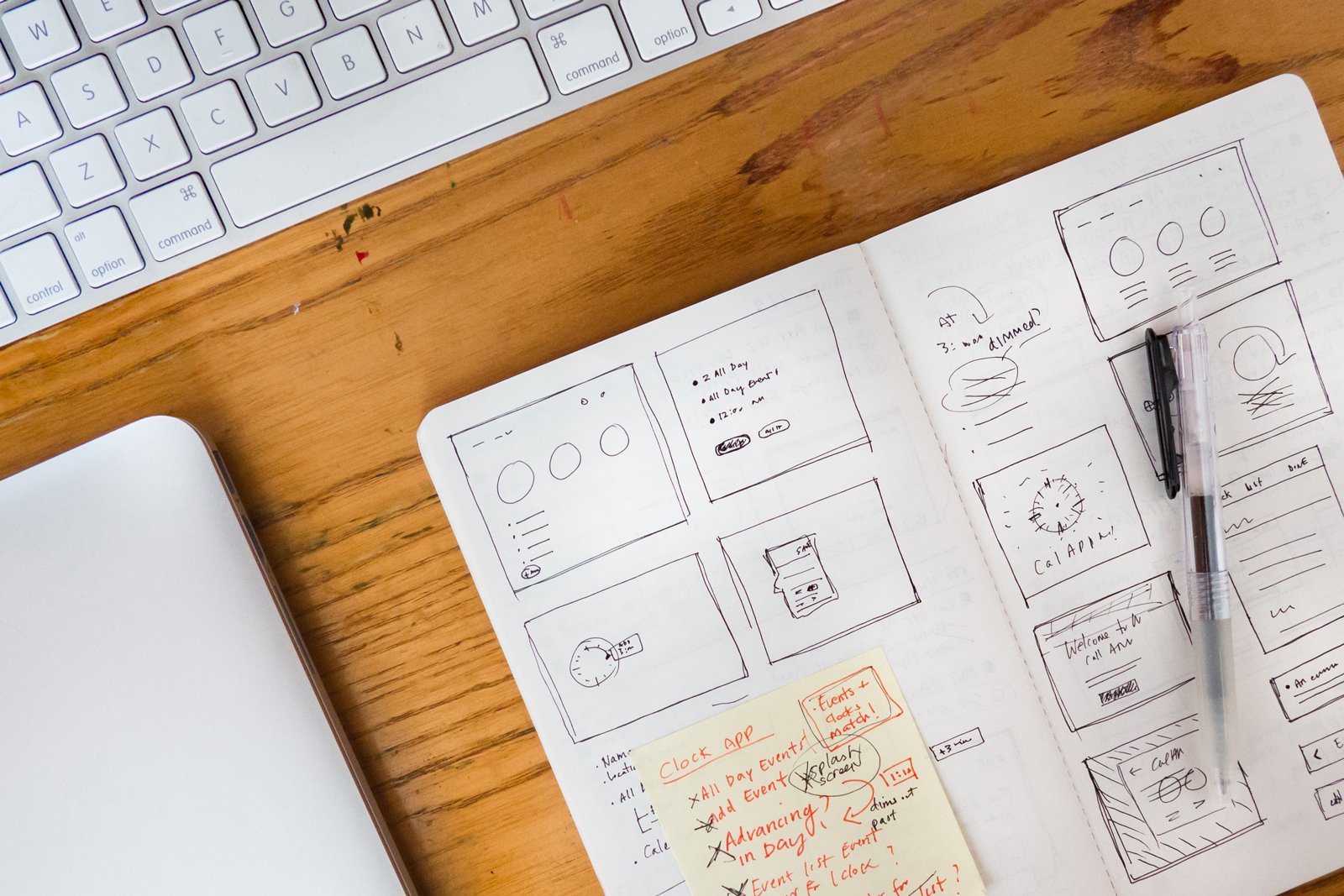
Mastering Google Ads landing pages is crucial for successful digital marketing campaigns. This comprehensive guide outlines the best practices for optimising your landing pages, ensuring higher conversion rates and lower costs. By following these proven strategies, you’ll achieve better ad rankings, increased sales, and more leads.
Understanding the Importance of Google Ads Landing Pages
Your Google Ads landing page is the gateway to conversions. It’s the platform where visitors decide whether to make a purchase, request a quote, sign up for a free trial, or download a resource. In other words, it’s where the magic happens. To maximize the potential of your Google Ads campaigns, you need to create relevant, high-quality landing pages that entice users to take action.
When it comes to Google Ads, relevance is everything. Just as your ad text should match your keywords, your landing page should deliver on the promises made in your ad. The more closely your landing page aligns with your ad, the higher your Quality Score will be, leading to better ad rankings and improved performance.
Key Elements of an Optimised Landing Page

So, what are the building blocks of a successful Google Ads landing page? There are several key components that contribute to a high-converting landing page. In the following sections, we’ll delve into each of these elements and provide actionable tips for optimising your landing pages.
Crafting High-Converting Content
The content of your landing page plays a major role in convincing visitors to take the desired action. From headlines to body copy, your content should clearly communicate the value of your offer and the benefits users can expect. Here are some tips for creating persuasive landing page content:
Focus on a Powerful Headline

An attention-grabbing headline is the most critical part of your landing page copy. It’s often the only thing visitors read, so make sure it’s compelling and relevant to your ad and keywords.
Write Clear, Concise Copy
Your landing page copy should highlight the benefits of your offer and address users’ pain points. Be concise and use simple language to convey your message effectively.
Use Emotion in Your Landing Pages
 Appealing to users’ emotions can significantly boost engagement and conversions. Incorporate emotional words and phrases throughout your landing page copy to elicit a strong response from your audience.
Choose High-Quality Images
Whether you’re selling a product or service, including high-quality images on your landing page is crucial for showcasing your offering’s value. Use visually appealing, relevant images that complement your content and reinforce your message.
Implement Visual Elements
Make your copy easy to digest by incorporating bullet lists, bold text, and other visual elements. This helps users quickly identify the most important information and encourages them to take action.
Designing Effective Landing Page Forms

The form on your landing page is where visitors provide their contact information, allowing you to follow up with them later. A well-designed form can significantly impact your conversion rates. Here are some factors to consider when creating your landing page form:
Form Fields
Striking the right balance between the number of form fields and the ease of completion is crucial. Avoid including too many or too few fields, and focus on collecting only the most essential information from your visitors.
Call to Action Buttons
Customising your call-to-action (CTA) button is an often-overlooked aspect of landing page design. A clear, creative CTA can inspire visitors to take action and increase conversions.
Thank You Pages
After users submit the form, direct them to a thank you page that acknowledges their submission and provides additional information or next steps. This helps maintain a positive user experience and reinforces your brand’s credibility.
Other Landing Page Considerations
In addition to content and forms, there are several other factors to keep in mind when designing a high-performing Google Ads landing page. Here are some best practices to follow:
Think Mobile-First
 Ensure your landing page is fast and easy to navigate on mobile devices. If your page loads slowly or is difficult to use on a smartphone, you risk losing potential conversions.
Test Your Landing Pages
Experiment with different headlines, layouts, CTAs, and form lengths to discover what works best for your audience. Continually testing and optimising your landing pages will help you maximise conversion rates.
Set Up Conversion Tracking
Properly implement conversion tracking to accurately measure the performance of your Google Ads campaigns and identify the sources of your most valuable leads and sales.
Landing Page Strategy: Communicating a Clear Offer
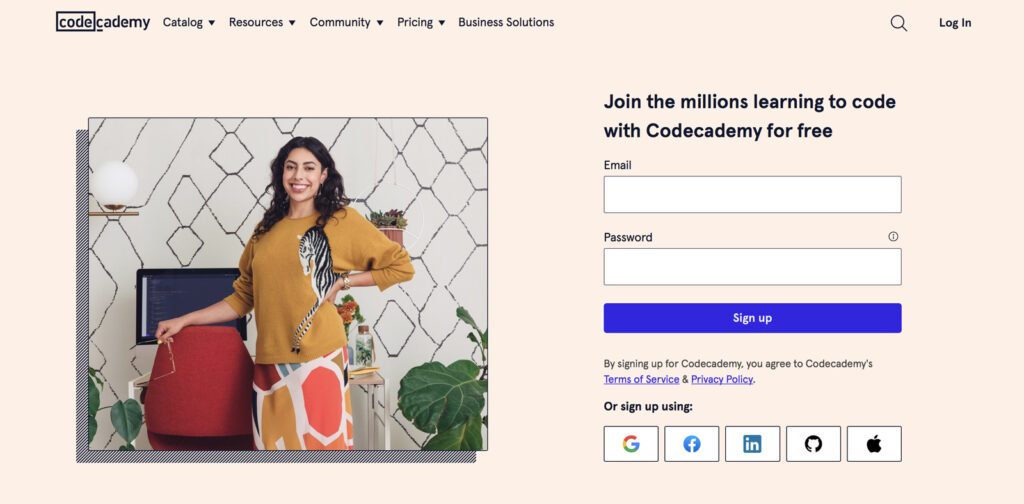
A successful landing page quickly and clearly communicates your value proposition to users. Here are some tips for making your offer stand out:
Include Pricing Information
If pricing varies for your product or service, consider including a pricing plan on your landing page. This helps users understand their options and demonstrates transparency.
Make Contact Information Accessible
Place your contact information in an easy-to-find location, such as the top-right corner or footer of your page. This helps reassure users that they can easily reach out to your team if they have questions or need assistance.
Use Contact Forms
Incorporate a visible contact form at the top of your landing page or in the menu bar. This enables users to provide their information and allows you to better understand your audience.
Send a Thank You Page
Once a user submits a contact form, direct them to a thank you page that acknowledges their submission and provides additional information or next steps.
Landing Page Design Essentials
The design of your landing page plays a significant role in keeping users engaged and focused on taking action. When creating your landing page, consider the following design elements:
Typography
Choose an easy-to-read font that complements your brand and content. Avoid using overly decorative or difficult-to-read fonts, as they can detract from your message.
Graphics or Images
Incorporate relevant, high-quality graphics or images that help convey your value proposition and support your content. Ensure these visuals are appropriately sized and optimised for fast loading times.
Attractive Fonts
Select fonts that are visually appealing and easy to read. This helps maintain user engagement and reinforces your message.
Colour Palette
Choose a colour palette that aligns with your brand and creates a cohesive, visually appealing experience for users. Use contrasting colours for CTAs and other important elements to draw attention to them.
CTA Button
Design a CTA button that stands out on your landing page and clearly communicates the desired action. Experiment with different colours, shapes, and text to find the most effective combination.
Leveraging Images, Videos, and Testimonials
Using multimedia elements like images, videos, and testimonials can significantly enhance your landing page’s appeal and effectiveness. Here are some tips for incorporating these elements:
Use High-Quality Images and Videos
Select high-quality images and videos that are relevant to your content and visually engaging. Make sure they are properly sized and optimised for fast loading times.
Include Explainer Videos
Consider incorporating explainer videos to help users better understand your product or service. These videos can be an effective way to communicate complex ideas or demonstrate features in an easily digestible format.
Feature Testimonials and Reviews
Including testimonials and reviews from satisfied customers can help build trust with your audience and encourage them to take action. 88% of consumers trust user reviews as much as personal recommendations, so featuring these on your landing page can significantly boost conversions.
Call to Action: Driving User Engagement
The call to action (CTA) is a crucial component of any landing page. It directs users toward the desired action and helps maintain focus on your primary goal. To create effective CTAs, consider the following tips:
Align Headlines and Content with CTAs
Ensure your headlines, content, and CTAs all work together to support your main objective. This helps create a cohesive message and increases the likelihood of users taking action.
Use Action-Oriented Phrases
Choose action-oriented phrases for your CTA buttons, such as “Download now,” “Buy now,” “Subscribe now,” or “Get a free trial.” This encourages users to take immediate action and engage with your offer.
Landing Page Optimisation Best Practices
To maximise the performance of your Google Ads landing pages, follow these optimisation best practices:
Implement SEO Strategies
Pair your landing pages with SEO strategies to achieve high-quality rankings. This includes selecting relevant keywords and incorporating them organically throughout your content, as well as using proper tag hierarchy for headlines.
Optimise for Mobile and Desktop Users
Create landing pages that are user-friendly for both mobile and desktop users. Ensure your pages load quickly and are easy to navigate on all devices.
Use Google Analytics and Heat-maps
Leverage tools like Google Search Console and heat-maps to understand user behavior and make data-driven optimisations. These insights can help you identify areas for improvement and create a more effective landing page experience.
Conclusion
Optimising your Google Ads landing pages is essential for achieving successful digital marketing campaigns. By following the best practices outlined in this guide, you’ll create high-converting landing pages that drive more sales and leads. Stay informed by subscribing to relevant blogs, and consider outsourcing to a trusted digital marketing agency if you need additional support. With the right strategies and resources, you can master Google Ads landing pages and elevate your digital marketing efforts to new heights.
Digital Marketing Agency in Gloucester and Cheltenham
Softdata is a leading digital agency and AI Services provider based in Gloucester and Cheltenham.About us: Softdata is a premier digital software agency and digital marketing provider, based in Gloucester and Cheltenham. We offer a range of digital services including web design, bespoke software development, SEO, Paid advertising, conversion rate optimisation, web hosting, and AI consultancy services. Our team is dedicated to providing the best solutions tailored to the unique needs of our clients.
If you would like to discuss your needs with a Digital Specialist, we offer a Free Initial Consultation without cost or commitment. Meetings can be held at our offices, via video conference, or by telephone. Our telephone number is 01452 502 508.
Softdata is located at: Softdata Internet Limited, 80 Westgate Street, Gloucester, GL1 2NZ.